
Posted by Admin on Mar 6th 2026
How To Choose the Right Backpack for Multi-Day Hikes
A successful backcountry trip starts long before you step onto the trail. The gear you carry—and how you carry it—can mean the difference between an unforgettable adventure and a long, uncomfortable slog. Knowing how to choose the right backpack for multi-day hikes is one of the most important skills any outdoor enthusiast can develop.
Whether you’re planning your first overnight trek or preparing for a week deep in the mountains, your pack will act as your mobile basecamp. It needs to support your body, organize your gear, and hold up to changing weather and terrain. Let’s break the selection process down so that you can make an informed choice.
Why Your Backpack Choice Matters
On a multi-day hike, your backpack isn’t just storage. It affects your posture, balance, energy levels, and overall comfort. A poorly fitted or overloaded pack can lead to sore shoulders, hip pain, or even injury.
The right backpack distributes weight evenly across your hips and shoulders. It moves with your body, keeps essential gear accessible, and protects your supplies from the elements. When chosen carefully, it helps you hike farther and recover faster at camp.
Investing time in the selection process is just as important as selecting boots or layering systems. It’s foundational outdoor equipment for any extended trip.
Step 1: Determine the Right Capacity
Most manufacturers measure their backpack capacities in liters, which indicates how much gear they can hold. For multi-day hikes, the right capacity depends on trip length, season, and how efficiently you pack.
If you’re hiking in colder conditions, you’ll need more room for insulation layers and a heavier sleeping system. Families or beginners often prefer slightly larger packs for added flexibility.
Avoid choosing a pack that’s much larger than you need. Extra space often encourages overpacking, which adds unnecessary weight.
Typical Backpack Capacities for Multi-Day Trips
- 30–50 liters: Ideal for minimalist overnight trips or warm-weather weekends
- 50–70 liters: Great for 2–5 day trips with moderate gear needs
- 70+ liters: Best for week-long treks, winter hiking, or bulky gear
Step 2: Prioritize Proper Fit
Fit is the single most important factor when selecting a backpack. Even the most feature-rich pack won’t perform well if it doesn’t match your body.
As you shop, you might notice that instead of height, most manufacturers measure their backpacks by torso length. This measurement helps you select a backpack that will sit more naturally against your body. Many models also offer adjustable suspension systems to fine-tune the fit. When trying on packs, try to wear the clothing layers you’d typically hike in so that you can get a more honest idea of the backpack’s fit.
The hip belt should carry most of the weight, not your shoulders. When adjusted correctly, you should feel balanced and supported rather than compressed.
If possible, test the pack with weight inside. Walking around the store or adjusting straps under load provides a more accurate feel.
Key Fit Features To Look For
- Adjustable torso length
- Padded hip belt that rests on your hip bones
- Shoulder straps that contour comfortably
- Load lifter straps to fine-tune weight distribution
- Sternum strap for stability
Step 3: Consider Frame Type
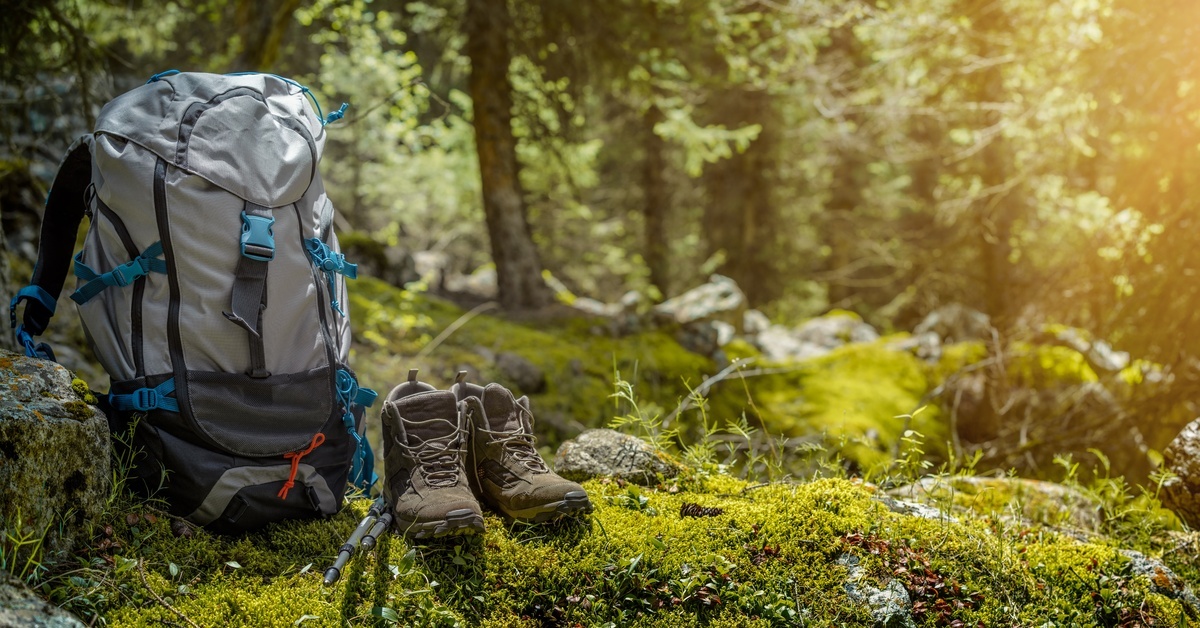
Internal frame backpacks are the most common choice for multi-day hikes. They provide stability while keeping the load close to your body, which improves balance on uneven terrain.
External frame packs are less common today but still useful for carrying heavy or awkward loads. For most hikers, an internal frame offers better versatility and comfort.
Meanwhile, frameless packs are ideal for ultralight hikers who carry minimal gear. They require disciplined packing and may not offer enough support for beginners or longer trips.
The right frame for you depends on how much weight you expect to carry and how technical your route will be.
Step 4: Evaluate Access and Organization
Easy access to gear can save time and frustration on the trail. Consider how the pack opens and how compartments are arranged.
Top-loading packs are simple and lightweight but may require digging to find items at the bottom. Panel-loading or front-zip options offer easier access to everything inside.
Organization preferences vary, so think about how you like to pack. Some hikers prefer streamlined designs, while others value multiple compartments.
Organization and Access Features To Look For
- Stretch side pockets for water bottles
- Hip belt pockets for snacks or small essentials
- Dedicated sleeping bag compartment
- Hydration reservoir compatibility
Step 5: Check Ventilation and Comfort Features
Multi-day hikes often involve long hours under load. Ventilation and padding make a significant difference, especially during warm-weather trips.
Many modern packs include mesh back panels or suspended frames that allow airflow between your back and the pack. This reduces sweat buildup and improves comfort.
Shoulder strap padding and hip belt cushioning should feel supportive without being overly bulky. Too much padding can create pressure points if not properly fitted.
Small details, like smooth zipper pulls and durable fabric, also enhance your experience over several days.
Step 6: Think About Weight
When experienced hikers tell you that every ounce matters, they aren’t being dramatic. While durability is important, excessively heavy packs add unnecessary strain, and that strain adds up on multi-day outings.
Lightweight models are appealing, but durability isn’t something you want to compromise on. Consider the terrain you’ll encounter and how rugged your gear needs to be.
Focus on balancing strength and weight. A slightly heavier pack with strong stitching and quality materials may last longer and perform better over time.
Remember that pack weight is only part of the equation. Your total carried weight includes food, water, shelter, and other outdoor equipment.
Step 7: Match Features to Your Trip Style
Not all hikers need the same features. Tailor your selection to your typical adventures.
If you primarily hike in the Pacific Northwest, weather resistance may be a top priority. If you favor alpine routes, gear attachment points become essential.
Avoid paying for specialized features you won’t use. Focus on practical additions that support your specific hiking goals.
Features That Add Value on Multi-Day Hikes
- Integrated rain cover or water-resistant fabric
- Trekking pole attachment points
- Ice axe loops for alpine routes
- Compression straps for stabilizing loads
- Removable lid or convertible daypack
Your Backpack Is an Investment in Better Adventures
When you choose the right backpack for multi-day hikes, you set yourself up for more comfortable miles, better balance, and greater enjoyment in the backcountry. The right capacity, fit, and features allow you to focus on the experience instead of discomfort.
From weekend forest escapes to extended alpine treks, your backpack supports every step of the journey. Take time to test options, evaluate features thoughtfully, and prioritize fit above all else.
If you’re preparing for your next adventure, Yeager’s Sporting Goods is a dependable resource for high-quality camping and hiking outdoor equipment. Their knowledgeable team can help you compare packs, dial in the right fit, and find gear built for the Pacific Northwest and beyond.
Stop in or browse online to gear up with confidence for your next multi-day hike!