
Posted by Admin on Mar 20th 2026
How To Choose the Right Camo Pattern for Hunting
Stepping into the field with the wrong camouflage can make you easy for game to see, avoid, and evade.
Whether you're chasing whitetail deer in thick timber or calling turkeys in spring woods, your camouflage should match both the terrain and the season. Hunters who choose the right camo pattern for hunting improve their chances of remaining concealed and getting closer to game. That small difference in visibility can be the deciding factor between a successful hunt and an empty tag.
This guide explains how camouflage patterns work, how to match them with your hunting environment, and how to select gear that supports your time in the field.
Why Camouflage Matters in the Field
Camouflage disrupts your silhouette and blends your body into the surrounding landscape. Many animals are extremely sensitive to movement and contrast, so reducing visual detection gives people a key advantage—one hunters have relied on for centuries.
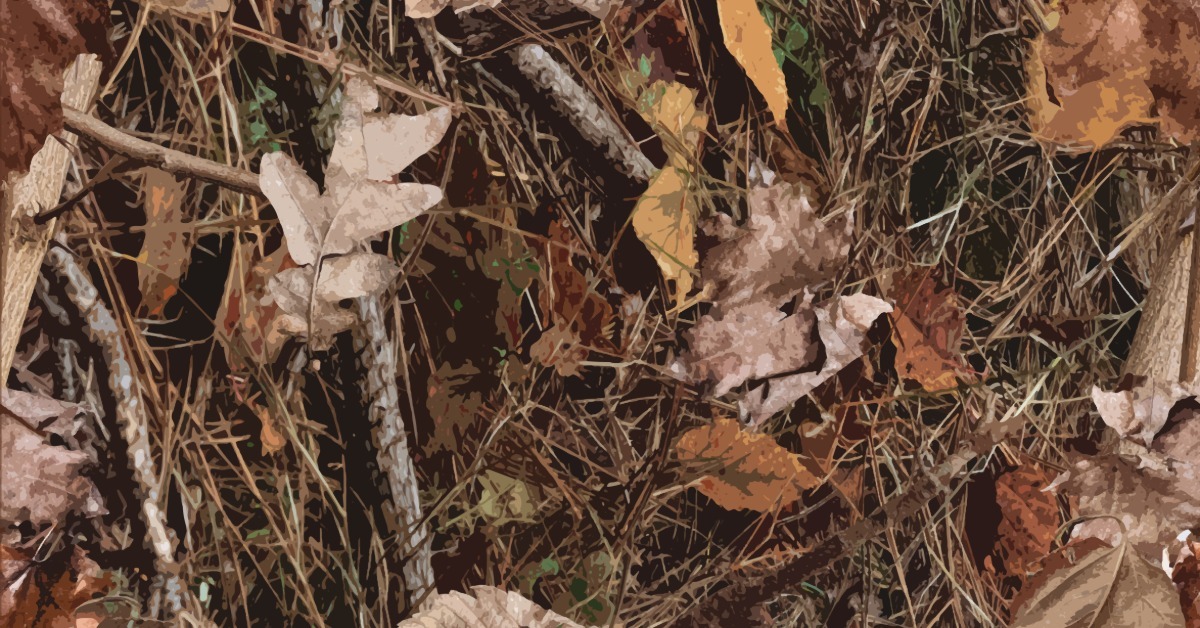
Patterns help hide the human outline by mimicking natural textures like bark, leaves, grass, and shadows. When those shapes and colors match the environment around you, it becomes much harder for animals to recognize you as a threat.
Another important factor is distance. From farther away, detailed patterns blur into larger shapes. Good camouflage works both up close and at range, maintaining a natural appearance from multiple viewing distances.
Matching Camo to Your Hunting Environment
Different terrains require different camouflage designs. A pattern that works perfectly in thick forest may stand out in open grassland or snowy terrain.
Understanding the environment where you hunt most often is the first step in choosing the right pattern.
Common hunting environments:
- Dense forest or timber: Patterns with darker tones, bark textures, and layered shadows
- Open fields or prairie: Lighter colors with grass-like shapes and vertical lines
- Wetlands and marshes: Reed and cattail patterns with muted greens and tans
- Mountain or rocky terrain: Mixed neutral tones with irregular shapes
- Snow-covered landscapes: White and light gray patterns designed for winter conditions
When possible, look at the ground cover, vegetation, and lighting conditions in your hunting area. Matching these details helps camouflage perform as intended.
Seasonal Changes Affect Camouflage
Hunting conditions shift dramatically throughout the year, which means camouflage that works in early fall might not work during late season.
Leaves change color, vegetation dies back, and snow may cover the ground. These changes alter the color palette of the landscape.
- Early season: Rich greens, dense foliage, and leafy textures dominate
- Mid-season fall: Browns, tans, and fading vegetation become more common
- Late season: Sparse cover and darker ground require more neutral tones
Many hunters choose versatile camo patterns that work across multiple seasons. Others maintain several pieces of hunting clothing to adapt to changing conditions.
Paying attention to seasonal transitions helps you remain concealed throughout the entire hunting calendar.
Understanding Macro vs. Micro Camouflage Patterns
Modern camouflage often uses two levels of pattern design: macro and micro elements. Each serves a different purpose when hiding a hunter in natural terrain.
Micro patterns consist of small details like leaves, branches, and bark textures. These details blend your form into nearby vegetation when animals are close.
Macro patterns use larger shapes designed to break up your overall outline at greater distances. These larger forms help prevent animals from recognizing a human silhouette.
The best hunting camo combines both elements. Up close, the small textures match surrounding plants and ground cover. At longer distances, the larger shapes disguise your body shape against the background.
This layered approach helps camouflage remain effective regardless of how far away animals are when they spot movement.
Choosing Camo for Specific Game Animals
Different animals rely on different senses when detecting danger. While camouflage always plays a role, understanding your target species helps guide your clothing choices.
Here are a few proven game-specific patterns to consider:
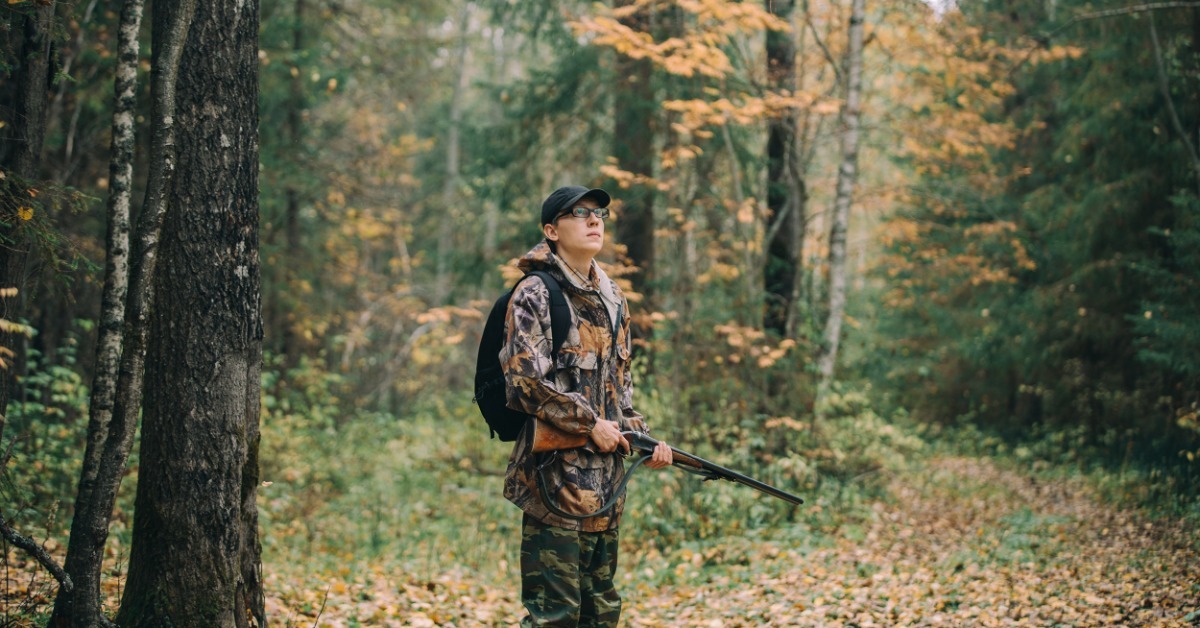
- Whitetail deer hunting: Woodland patterns that mimic trees, leaves, and forest shadows
- Turkey hunting: Detailed leaf patterns that blend with spring vegetation
- Waterfowl hunting: Marsh or wetland patterns matching reeds and grasses
- Predator hunting: Neutral earth tones that work across varied terrain
Many hunters prioritize camouflage for species with strong vision, such as turkeys or waterfowl. That said, even for animals that rely more on scent, camouflage still reduces their ability to detect movement.
Regardless of species, minimizing movement and keeping quiet will be just as important as your clothing pattern.
Camouflage Clothing Beyond the Jacket
While jackets and pants get the most attention, full concealment often requires covering other visible areas.
Hands, faces, and gear can stand out quickly in natural environments. Hunters often use additional camo accessories to reduce contrast, including:
- Face masks or paint to hide bright skin tones
- Camo gloves that blend with sleeves and vegetation
- Camo hats or head coverings to break up the head shape
- Patterned backpacks or gear covers that match your clothing
These smaller details make a noticeable difference when animals scan their surroundings for unusual shapes or colors.
Combining clothing with the right accessories helps maintain concealment from head to toe.
Choosing Reliable Hunting Apparel
High-quality camouflage clothing lasts longer and performs better across multiple seasons. Durable fabrics resist tears from brush and rough terrain while maintaining their printed pattern.
Many hunters invest in versatile layers they can combine depending on weather and terrain. This approach allows for flexibility throughout the hunting season.
Experienced outdoor retailers can help you match camouflage patterns with your local terrain. Their insights often come from years of firsthand experience in the field. Yeager’s Sporting Goods has built a reputation for knowledgeable staff who actively participate in the outdoor activities they support, and we’re happy to share what we know!
Gear Up for the Hunt
Choosing camouflage is ultimately about blending into the natural world around you. Terrain, season, and target species all influence what pattern will work best.
Hunters who take time to choose the right camo pattern for hunting gain an advantage by staying concealed and reducing detection in the field. When your clothing matches the landscape, animals are far less likely to notice your presence.
If you’re preparing for the upcoming season, the team at Yeager’s Sporting Goods can help you find dependable hunting apparel and supplies. From camouflage clothing to field gear, every item in our sports hunting store is there to help outdoor enthusiasts like you prepare for a great hunt.
Stop by or browse our lineup online to gear up for your next hunting adventure with confidence.