
Posted by Admin on Feb 20th 2026
How To Season Cast Iron Properly for Nonstick Cooking
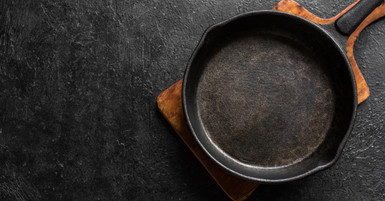
Cast iron cookware has earned its place in kitchens, campsites, and cabins for good reason. It’s durable, versatile, and capable of delivering incredible flavor when cared for correctly. The key to unlocking its full potential is knowing how to season cast iron properly for nonstick cooking.
Whether you’re preparing breakfast at home or cooking over a camp stove, seasoning creates that famously smooth, naturally nonstick surface that makes cast iron so dependable. With the right approach and a little patience, your skillet or Dutch oven can last for generations.
What Does “Seasoning” Cast Iron Actually Mean?
Seasoning doesn’t involve salt or spices. Instead, it refers to bonding a thin layer of oil to the surface of the metal through heat. When oil is heated past its smoke point, it undergoes a process called polymerization, forming a hard, plastic-like coating that adheres to the iron.
Over time, these layers build on each other. The more you cook with proper care, the stronger and slicker that surface becomes. That’s why older cast iron pans often perform better than brand-new ones.
Seasoning protects your cookware from rust while creating a reliable cooking surface for everything from eggs to cornbread.
Why Proper Seasoning Matters
A well-seasoned pan doesn’t just prevent sticking. It also:
- Protects against moisture and rust
- Improves heat distribution
- Enhances long-term durability
- Reduces the need for synthetic nonstick coatings
For outdoor enthusiasts and home cooks alike, cast iron offers simplicity and performance. When seasoned correctly, it transitions easily from stovetop to oven to grill or campfire.
Choosing the Right Oil
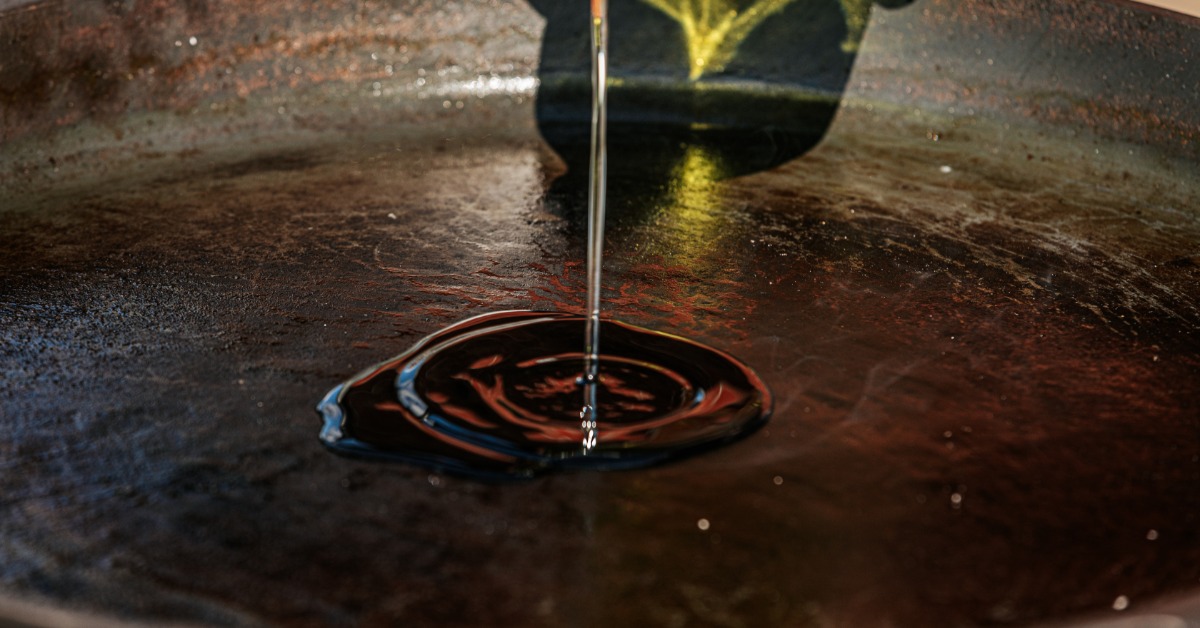
Not all oils perform the same when seasoning cast iron. The goal is to use an oil with a high smoke point that can polymerize effectively.
Commonly recommended oils include:
- Grapeseed oil
- Canola oil
- Vegetable oil
- Flaxseed oil
Avoid heavily flavored oils that may leave residue or sticky buildup. The key is applying a very thin layer, not soaking the pan.
Step-by-Step: How To Season Cast Iron
If you’re starting with a new pan or restoring an older one, follow this process carefully.
1. Clean the Pan Thoroughly
Even brand-new cast iron should be washed before its first seasoning. Use warm water and mild dish soap. Contrary to old myths, a small amount of soap won’t ruin your pan when used appropriately.
If restoring rusty cookware, scrub with steel wool until the surface is bare metal. Rinse thoroughly and dry completely.
Moisture is the enemy of cast iron, so don’t skip the drying step.
2. Preheat the Cookware
Place the clean, dry pan in a warm oven (around 200°F) for a few minutes. This ensures any remaining moisture evaporates and helps the oil spread evenly.
Remove it carefully before applying oil.
3. Apply a Thin Layer of Oil
Using a lint-free cloth or paper towel, rub a very thin layer of oil over the entire pan—inside, outside, handle, and bottom.
Then wipe it again with a clean cloth. It should look almost dry. If the oil appears glossy or pooled, there’s too much.
Thin layers build stronger seasoning.
4. Bake at High Heat
Place the pan upside down in an oven set between 450°F and 500°F. Position a sheet of foil or baking tray below it to catch any drips.
Bake for one hour. Then turn off the oven and let the pan cool inside.
This slow cooling helps the seasoning bond to the metal.
5. Repeat if Needed
One round of seasoning is a good start. Two or three rounds are better, especially for a brand-new pan.
Multiple thin layers create a tougher and more even finish.
Maintaining Seasoning Over Time
Seasoning isn’t a one-time event. Every time you cook with oil, you’re reinforcing the surface.
To keep your cast iron in top shape:
- Avoid soaking it in water
- Dry immediately after washing
- Apply a light coat of oil before storing
- Store in a dry area
If food sticks occasionally, don’t panic. Scrub gently, dry thoroughly, and apply a thin coat of oil before reheating.
Over time, the surface will continue to improve.
Common Mistakes To Avoid
Even experienced cooks can make small errors that affect performance. There are a few things to watch for.
Applying too much oil is the most common issue. Thick layers become sticky instead of smooth. Always wipe the pan until it looks nearly dry before baking.
Another mistake is skipping high heat. Oil must reach its smoke point to polymerize properly. Low oven temperatures won’t produce a durable layer.
Finally, avoid air drying. Even a small amount of lingering moisture can lead to rust spots.
How To Restore a Rusty Cast Iron Pan
If you find an old skillet in the garage or inherit one from family, it can almost always be saved.
Start by scrubbing off rust with steel wool or a stiff brush. Wash thoroughly and dry completely. From there, follow the full seasoning process outlined above.
Cast iron is remarkably forgiving. With patience and proper technique, it often comes back stronger than ever.
Cooking Tips for a Naturally Nonstick Surface
After seasoning, cooking technique still matters. Always preheat your pan before adding food. Adding oil or fat before cooking improves performance and maintains the surface.
Delicate foods like eggs perform best when the pan is hot enough before they’re added. If food sticks, it often means the pan wasn’t preheated properly.
Avoid cooking highly acidic foods for long periods in newly seasoned pans. Tomato-based sauces can break down fresh seasoning layers. Once the pan is well established, this becomes less of a concern.
Cast Iron at Home and in the Outdoors
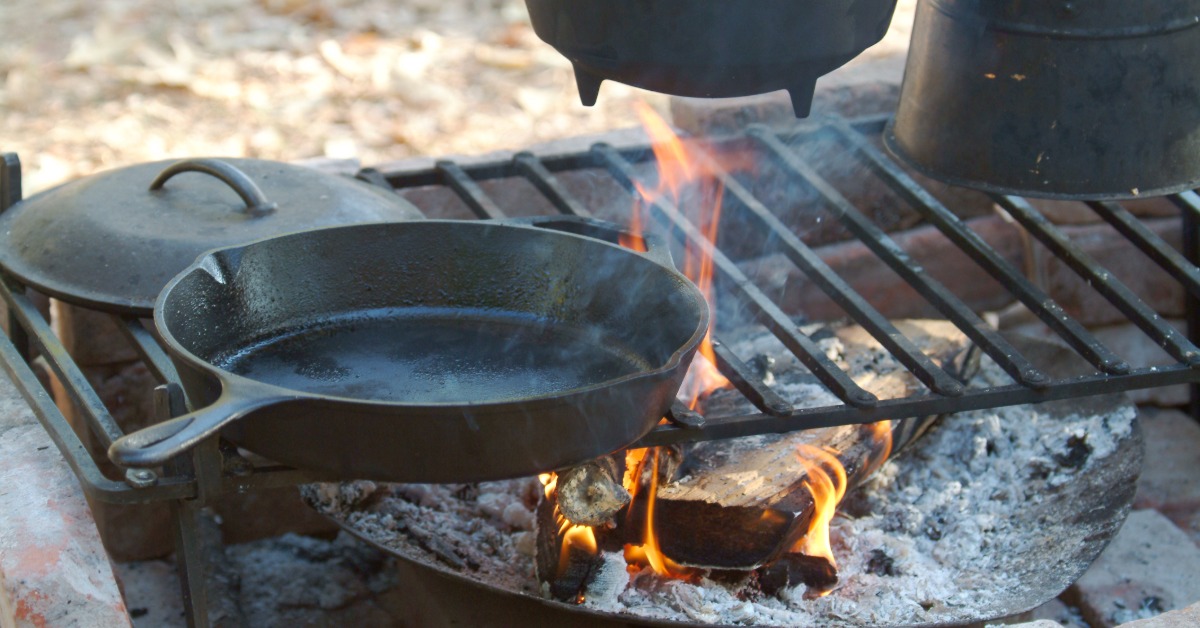
Cast iron isn’t limited to your kitchen stove. It’s a favorite among campers, anglers, and backyard grill enthusiasts because it handles high heat and open flames beautifully.
From morning pancakes at camp to seared steaks after a day on the water, properly seasoned cast iron delivers reliable results. It’s one of those dependable home products that bridges indoor and outdoor cooking seamlessly.
At Yeager’s Sporting Goods & Marina Inc., many customers are outfitting both their kitchens and their campsites. Quality cookware belongs alongside your other essential home products, especially when durability matters.
When To Re-Season Your Pan
You may need to repeat the full seasoning process if:
- Rust appears
- The surface becomes sticky
- Food consistently sticks
- The pan looks dull or uneven
In many cases, a single additional thin layer baked at high heat can quickly restore performance.
Regular use is actually one of the best ways to strengthen seasoning. Cooking with oils and fats naturally reinforces the protective coating.
A Final Word on Cast Iron Care
Cast iron rewards consistency. Clean it properly, dry it thoroughly, and apply thin layers of oil when needed. With these habits in place, your cookware will serve you for decades.
When you take the time to season cast iron properly for nonstick cooking, you create a surface that performs naturally without synthetic coatings. That effort pays off every time you step up to the stove or fire.
If you’re building your collection of reliable home products, including cast iron cookware and essential kitchen tools, visit Yeager’s Sporting Goods & Marina Inc. Our selection of kitchen gadgets, utensils, and cooking gear helps you prepare meals confidently—whether you’re at home or cooking outdoors. Stop in and let our knowledgeable team help you find the right tools for your next meal.