
Posted by Admin on Feb 10th 2026
The Importance of Proper Fit in Snow Gear
Stepping onto the mountain should feel exciting, not uncomfortable. Whether you’re strapping into skis for the first time or chasing powder every weekend, the way your gear fits can directly impact how much fun you have out there. The importance of proper fit in snow gear goes far beyond comfort—it affects warmth, safety, performance, and even how long you can stay on the hill. Understanding what proper fit really means helps you make smarter choices and get more value out of your investment.
Why Fit Matters More Than Brand or Style
It’s easy to get drawn in by bold colors or the latest designs, but none of that matters if the gear doesn’t fit correctly. Even the highest-end equipment won’t perform as intended if it’s too big, too small, or shaped incorrectly for your body.
Proper fit plays a direct role in how your body handles cold, movement, and long days in the snow. Gear that fits well helps regulate temperature by keeping warmth in without trapping excess heat while also allowing for natural movement when turning, stopping, or hiking. When you dial in the fit, you reduce pressure from the gear, improve circulation, and fend off fatigue—making it easier to stay comfortable from first chair to last run.
A trusted ski and snowboard shop can help cut through the guesswork by focusing on fit first and style second, ensuring your gear works with you rather than against you.
The Impact of Poorly Fitting Snow Gear
Snow gear that doesn’t fit correctly often causes problems that build throughout the day. What starts as a minor annoyance can quickly turn into a reason to head inside early. Poor fit can restrict circulation and leave hands or feet feeling cold, while tight seams may create chafing or uncomfortable pressure points. Loose cuffs or collars allow snow to creep in, and excess fabric or stiffness can reduce control and make movement feel awkward and tiring.
Over time, these fit-related issues can discourage new skiers and riders from sticking with the sport. Fit is one of the biggest factors in whether someone enjoys their time on the mountain or feels frustrated by it.
Snow Jackets and Pants: Mobility Meets Protection
Finding the Right Balance
Outerwear needs to strike a balance between protection and freedom of movement. Jackets and pants that are too tight can restrict turning and bending, while overly baggy pieces can snag or let in snow.
A proper fit should allow you to:
- Raise your arms without the jacket riding up
- Bend at the knees and hips without pulling or resistance
- Layer comfortably underneath without feeling bulky
Layering Compatibility
Fit also matters when layering. Your outer shell should have enough room for insulating layers without compressing them, since compression reduces warmth. This is where trying gear on in person can make a noticeable difference.
Ski and Snowboard Boots: The Most Critical Fit
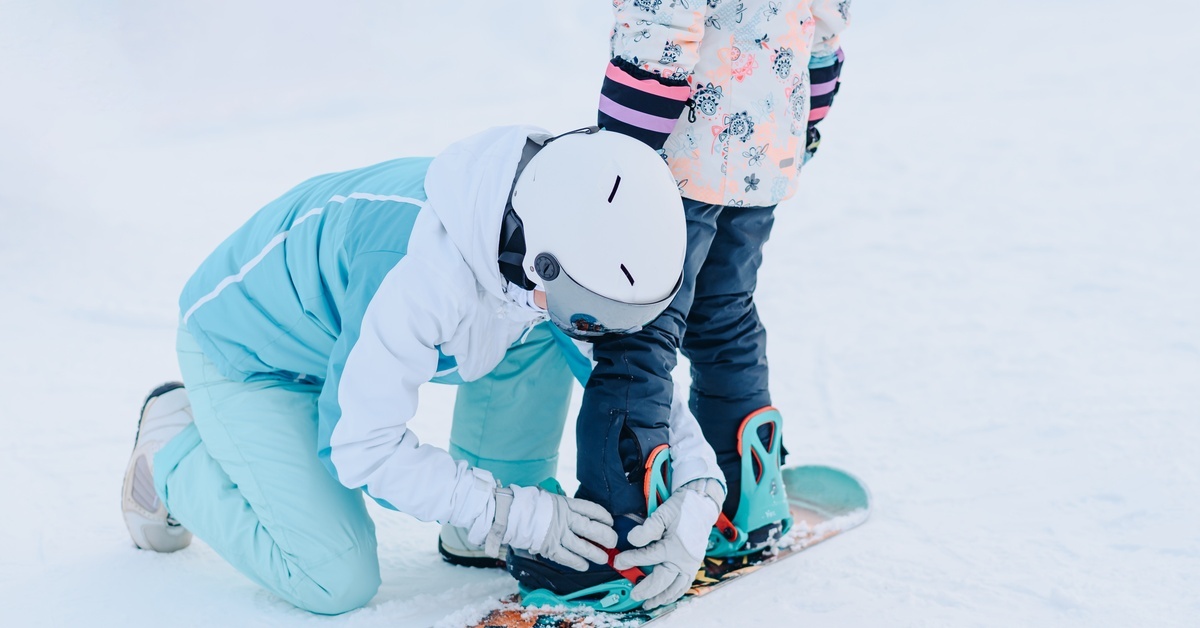
If there’s one piece of snow gear where fit matters most, it’s boots. Poorly fitting boots can ruin an otherwise perfect setup.
Why Boot Fit Is Non-Negotiable
Boots directly affect:
- Edge control and responsiveness
- Balance and stance
- Foot comfort over long periods
Boots that are too loose reduce control, while boots that are too tight cause pain and numbness. Proper boot fitting takes foot shape, width, arch height, and riding style into account.
Socks Matter Too
Even the right boots can feel wrong with improper socks. Thin, moisture-wicking ski socks help boots perform as intended and prevent bunching.
Helmets and Goggles: Comfort and Safety Go Together
Helmet Fit Basics
A helmet should feel snug without creating pressure. It should sit level on your head and not shift when you move.
A well-fitting helmet:
- Stays in place without excessive tightening
- Covers the forehead without blocking vision
- Feels secure but not restrictive
Goggle Compatibility
Goggles and helmets should work together seamlessly. Gaps between the two can expose skin to cold wind, while mismatched shapes can create pressure points. Trying them on together helps ensure a comfortable, secure fit.
Gloves and Mittens: Small Details, Big Difference
Hands are often the first place people feel the cold. Gloves or mittens that don’t fit properly can limit dexterity and reduce warmth.
Look for a fit that:
- Allows finger movement without creating excess space
- Covers the wrist fully to seal out snow
- Feels secure without cutting off circulation
Proper fit keeps hands warmer and makes tasks like adjusting bindings or zippers easier on cold days.
Fit Considerations for Kids and Growing Riders
Buying snow gear for kids comes with its own challenges. While it’s tempting to size up for growth, gear that’s too large can be uncomfortable and unsafe.
When fitting kids’ snow gear:
- Prioritize mobility and warmth over future growth
- Look for adjustable features like extendable cuffs
- Make sure boots and helmets fit properly right now
Comfortable kids are more likely to enjoy their time on the mountain and build confidence as they learn.

Get Fitted for the Season Ahead
If you’re gearing up for winter, taking the time to focus on fit can completely change your experience on the mountain. From outerwear to boots and helmets, having the right size and shape makes every run more enjoyable.
Visit Yeager’s Sporting Goods to browse a wide selection of ski and snowboard gear and get help finding equipment that fits the way it should. The right fit means more comfort, better performance, and more time doing what you love in the snow.
Fit Is the Foundation of a Great Day on the Mountain
No matter your experience level, the gear you wear plays a huge role in how your day unfolds. Warmth, safety, and performance all depend on how well each piece fits your body and movement style. The importance of proper fit in snow gear is impossible to overstate—it’s the foundation of confidence, comfort, and enjoyment on the slopes.
By prioritizing fit and seeking expert guidance when needed, you set yourself up for better days, longer sessions, and memories that keep you coming back all season long.