
Posted by Admin on Nov 30th 2025
Tips for Organizing and Storing Fishing Tackle
Great days on the water start long before the first cast. An organized tackle setup saves time, protects gear, and helps you make sharper decisions when the bite turns finicky. This guide breaks down proven methods that help you sort, protect, and access everything faster, whether you fish lakes, rivers, or saltwater.
Anglers of every level can benefit from a system that keeps lures visible, lines fresh, and rods safe. Expect practical ideas you can deploy in the garage, on the dock, or in the boat—plus recommendations on gear from Yeager’s Sporting Goods & Marina that make it easier to organize and store your fishing tackle.
Assessing Your Tackle
Start by laying everything out on a clean surface. Group gear into broad categories: hard baits, soft plastics, terminal tackle, tools, line, and maintenance items. Sub-categories help you go deeper—keep jerkbaits separate from crankbaits, tungsten from lead, mono from braid, and so on.
Once grouped, get honest about what earns water time. Keep proven producers and size ranges you actually throw. Retire duplicates that never leave the box, rusty hooks, and lures you’ve outgrown. If you don’t want to see these old tools go to waste, donate usable extras to a junior angler or club. Paring down is a great way to set new foundations for future organization, so don’t be shy about letting things go.
A quick inventory also reveals gaps. Missing swivels, split rings, or a spare leader spool often surface during this exercise. Make sure to take notes as you go!
Selecting the Right Storage Solutions
Different fisheries and boats call for different storage. Match your system to how you fish, then expand smartly.
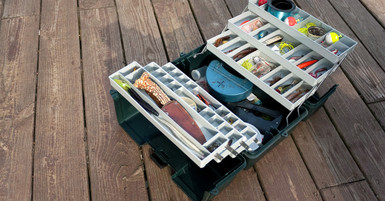
- Tackle boxes: Hard boxes protect gear and stack neatly. Waterproof options like deep stowaway-style 3700 boxes keep terminal tackle dry and sharply organized. Modular trays slide into boat compartments and let you swap by species or season.
- Soft tackle bags: Soft bags with removable trays offer grab-and-go flexibility. Shore anglers love the comfort, boat anglers love the quick access. Side pockets corral pliers, scents, and leader spools without turning into clutter magnets.
- DIY solutions: Clear zip pouches group soft plastics by color or profile. Small hardware organizers hold split rings and swivels. PVC rod tubes or adjustable rod tubes protect travel setups. Make sure to use labels so that future-you knows how to use any DIY solutions!
Yeager’s carries fishing tackle for sale that fits all these systems, including waterproof boxes, classic multi-tray tackle boxes, and protective rod tubes. Durable gear here pays you back every weekend.
Tackle Organization Tips
Separating Lures by Type
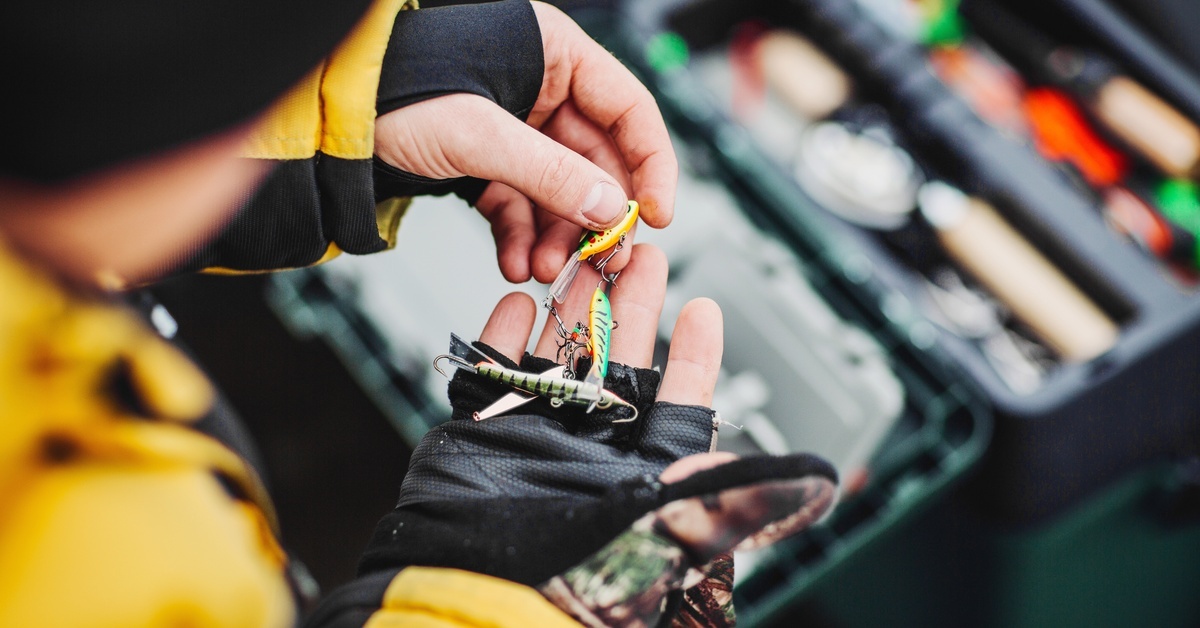
Species-specific trays improve efficiency and prevent on-the-water digging. Bass trays might include topwater, squarebills, and finesse plastics. Trout trays might split spinners, spoons, and small plugs. Saltwater trays can separate jigs by weight and leadered lures from bare metal. Visible categories create instant confidence when conditions change.
Color-coding also brings this idea to life. Use colored tape or lids to match categories at a glance. Snap open the “topwater” box when sunrise slicks the surface, or grab “finesse” when the wind dies and the bite gets picky.
Using Dividers and Labels
Fine-tune trays with adjustable dividers that fit lure profiles. Long compartments cradle jerkbaits and protect bills. Smaller cells keep terminal tackle from mixing. Labels on the short end of each box help you identify contents when boxes stand upright in a bag or locker.
Permanent marker labels rub off over time; a label maker holds up far better in damp environments. Include size and weight info on terminal tackle boxes—knowing that a compartment holds 1/0 EWG or 1/8 oz tungsten means less guesswork and more casting.
Protecting Fishing Line
Sunlight, heat, and moisture shorten line life. Keep spools in a cool, dark space and avoid hot car trunks between trips. Reseal spools in zip pouches with a silica gel packet after use. Line bags with spool holes let you feed tag ends out the side, keeping spools tidy and ready for quick re-rigs.
Quick tip for organizing fishing line: Write the line type, pound test, and purchase month on painter’s tape and stick it to the spool flange. That timestamp simplifies replacement decisions, prevents you from starting a collection of mystery spools, and keeps leaders and mainline clearly separated.
Storing Rods and Reels
Vertical rod racks keep rods straight, protect guides, and make selection easy. Choose racks with padded grips that won’t compress cork or EVA handles. Space holders generously so that big swimbait rods or long surf sticks don’t knock neighbors.
Horizontal storage works well in tight rooms or boat sheds. Mount racks high enough that tips avoid foot traffic and rod tips never press against walls. Straps or hook-and-loop ties prevent sliding. Rod socks and reel covers add another layer of protection from UV and scratches.
Reels deserve light care after every trip. Rinse gently with fresh water, avoiding direct pressure that can push salt inside. Dry fully, back off the drag, and add a drop of oil to the handle knobs and the line roller. A bit of quick care will make every cast easier.
Seasonal Storage Considerations
Humidity swings cause corrosion, even away from salt. Climate-controlled rooms protect metals, glues, and soft plastics. Desiccant packs inside tackle bags and boxes soak up moisture and cost very little. Anti-rust tabs in terminal boxes add insurance without taking up too much space.
Before long off-seasons, remove soft plastics from contact with certain hard baits that can react with finishes. Dry every lure and hook thoroughly, sharpen or replace dull trebles, and check split rings. A little prep in the off months means zero surprises when the first warm weekend returns.
Maximizing Space Efficiency
Small garages and crowded boats demand vertical thinking. Tall shelving that fits waterproof trays keeps footprints small while boosting capacity. Clear bins on higher shelves hold backup stock that you don’t need daily. Laddered pegboards keep tools, scents, and frequently used packs in reach without piling up.
Wall-mounted racks and shelves tame rods and nets while leaving floor space open. Mount nets and long-handled tools in the same bay so that loading the boat can be one clean motion. Magnetic strips in the work area hold scissors and forceps where you can find them with wet hands.
Multi-purpose storage units shine in shared spaces. Benches with cubbies hold trays, towels, and a compact reel service kit. Rolling carts transform a cluttered corner into a mobile tackle station that wheels straight to the truck. Label cart shelves by species or season so that swapping from trout to salmon is easy.
Final Thoughts
A clean system saves minutes on the dock and prevents lost fish caused by dull hooks, snarled line, or missing hardware. Confidence rises when you can reach down and grab exactly what the moment demands. Most importantly, an orderly setup keeps gear protected, trip after trip.
When it’s time to organize and store your fishing tackle, reliable equipment makes the difference. Yeager’s Sporting Goods & Marina has served anglers since 1921 with a trusted selection of boxes, trays, rod tubes, rods, and reels. Browse fishing tackle for sale online or visit the Bellingham store, get friendly advice from staff who fish, and pick the organizers that fit your style. Rig smarter, launch faster, and enjoy more of what brought you to the water in the first place.