
Posted by Admin on Jan 21st 2026
Why Proper Storage Extends the Life of Sporting Goods
Great gear works hard, and smart storage helps it keep working for longer. Thoughtful habits protect finishes, preserve materials, and keep performance steady. Most damage happens slowly, from environmental stress and neglect between uses. However, small changes in your storage routines can prevent the need for expensive replacements and frustrating downtime. That’s the kind of value every athlete and outdoor enthusiast appreciates.
Proper storage extends the life of sporting goods. When your kayak hull stays true, your boots remain supple, and your bike drivetrain resists rust, every outing begins smoother and ends with fewer headaches. Reliable storage routines make each season feel new again.
As a locally rooted shop, Yeager’s Sporting Goods has helped the Bellingham community care for equipment across generations. Advice from our staff isn’t theoretical; it’s informed by decades of real use on local fields, lakes, and trails. That knowledge and experience shapes the practical tips on gear storage below.
The Impact of Environmental Factors
Environmental stress shortens gear life faster than heavy usage. Simple awareness of temperature, moisture, and light saves money and preserves performance.
Temperature Fluctuations
Heat accelerates glue failure, foam breakdown, and warping in composites. Cold stiffens plastics and makes certain rubbers brittle. Frequent temperature swings do even more harm, expanding and contracting materials until seams fatigue.
Stable, moderate temperatures reduce those stresses. Garages can work well, but only if insulation and ventilation are adequate. Avoid storing gear near water heaters, dryer vents, or car exhaust paths. Additionally, equipment bags should never sit on hot concrete or cement, especially during summer.
Humidity and Moisture
Moisture drives mold, mildew, and corrosion. Sweat, rain, and morning dew all linger in foam padding, fabric, leather, and metal fittings. Even sealed basements can trap humidity. After activity, let gear breathe until fully dry before packing.
In many cases, airflow works more effectively than direct heat. Dehumidifiers and desiccant packs offer helpful control in damp rooms or gear lockers. Finally, apply a light protective film on chains, blades, and fasteners to limit oxidation and stop rust before it starts.
Sunlight Exposure
Ultraviolet rays break down polymers, dyes, and coatings. Fading fabrics signal deeper structural damage happening beneath the color loss. Sunlight also dries out leather and degrades rubbers. Covered storage areas and UV-resistant bins shield materials from daily exposure. Simple shade preserves integrity, improves comfort, and protects resale value.
A Note on UV Damage
You don’t necessarily want to store an item as soon as you’re done with it. Lingering residue from an outing can amplify UV damage and abrasion during storage. Be sure to rinse salt or dust from items before putting them away, even if you won’t have them in direct sunlight.
Material-Specific Storage Solutions
Different materials demand different care. Tailoring storage to each category yields the greatest lifespan improvements.
Fabric Gear
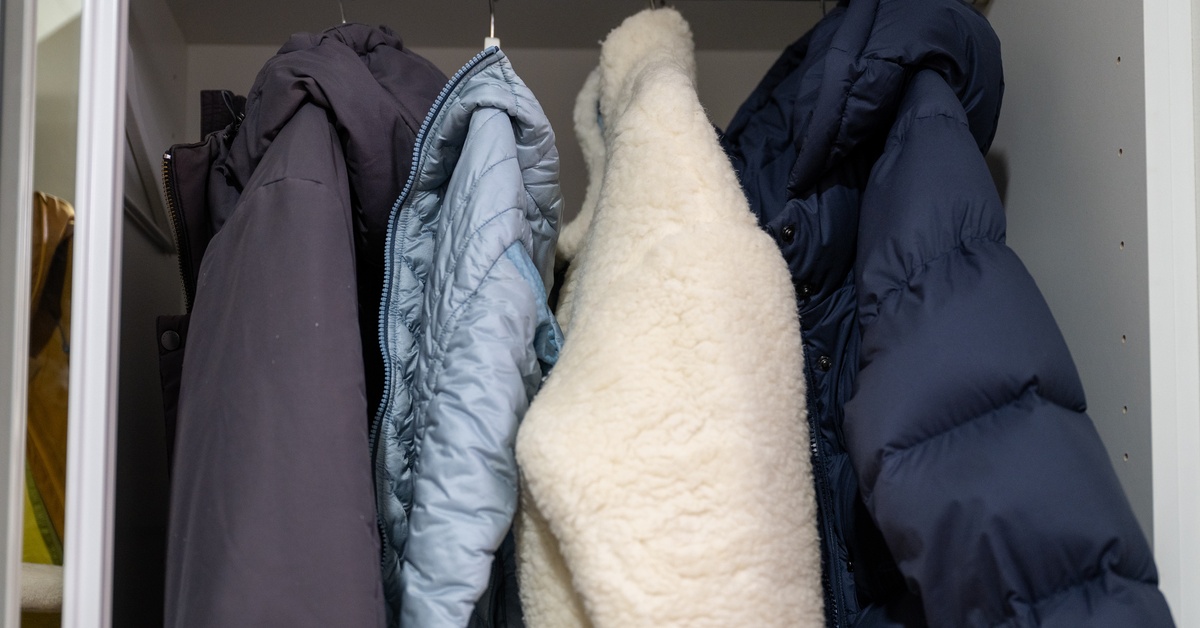
Breathable fabrics, technical shells, and padded apparel perform best when dry, loose, and clean. Compression can affect loft in clothing insulation and trap creases that wear through over time. Hanging jackets on wide, supportive hangers maintains shape and seam strength.
Next, soft gear bags should remain unzipped while items dry, then close fully after moisture dissipates. Dirt particles grind fibers during movement, so quick rinses and gentle washing extend fabric life. Using scented sprays without cleaning your fabric won’t solve bacteria growth, so try not to rely on it.
Leather Items
Leather thrives with steady moisture levels and mild conditioning. Direct heat cracks fibers and hardens finishes. Store leather gloves, skates, boots, and balls in cool, ventilated spaces away from radiators and windows. Stuff boots with acid-free paper to hold form and pull lingering moisture from the interior. A light application of conditioner will help your gear maintain its pliability while resisting surface cracking.
Plastic and Rubber Gear
Plastics and rubbers hate UV exposure, extreme temperatures, and pressure points. Kayaks, helmets, masks, and fins should rest on broad supports that spread weight evenly. Helmet interiors last longer when not crushed beneath heavy items on shelves. Lastly, tires and rubber soles benefit from cool, dark locations free of ozone-producing motors, which can degrade compounds.
Organization and Space Efficiency
Good storage isn’t only about protection. Smart organization speeds preparation and reduces accidental damage.
Utilizing Vertical Space
Walls often hold more potential than floors. Sturdy hooks, slat walls, and ceiling racks free up walking areas while preventing knocks and tip-overs. Boards, paddles, and rods are safer when cradled in padded supports. As you put things up, aim to keep heavier gear at shoulder height or below to minimize drop risks. Clear pathways keep gear from scraping against cars, lawn tools, or concrete corners.
Clear Labeling and Inventory
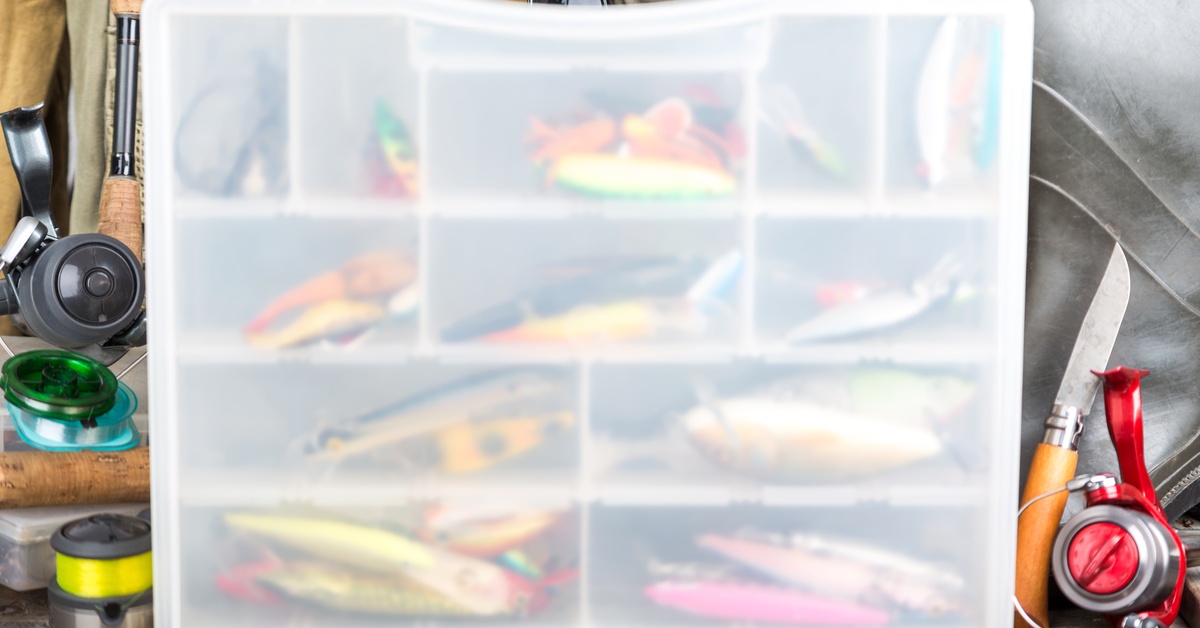
Labels and simple inventory habits prevent lost items (and the redundant purchases that tend to follow). Transparent bins reveal contents without the need for digging, and seasonal rotations of these bins and their contents can help a lot. Notes on maintenance status also save time before the next outing. A small whiteboard near your storage area works well for tracking what needs cleaning or quick repair.
Climate-Controlled Storage Options
Homes with limited space sometimes benefit from climate-controlled storage units. Constant temperatures and managed humidity offer reliable protection across seasons. Sensitive gear—like high-end bikes, canoes, skis, and leather team equipment—stays game-ready under stable conditions. Units with adequate ventilation also help reduce odors and moisture buildup after long road trips or wet tournaments.
Maintenance Before Storage
The most critical storage step happens right before you put gear away. Small rituals lead to long-term protection.
Cleaning and Drying
Residue from sweat, soil, sunscreen, and salt speeds decay. Quick washes, a gentle scrub, and a proper rinse remove contaminants that weaken fibers and finishes. Pat-drying with absorbent towels then air-drying in shade prevents water spots and mildew. Zippers close smoothly again after a rinse and a light lubrication. Padding holds moisture longer than it seems; give it time. Bags and cases should stay open until everything feels completely dry.
Repairs and Preparations
Minor fixes today prevent bigger failures down the line.
- Tighten loose screws, replace worn laces, and inspect stitching along high-stress zones.
- Address any edge nicks on skis or boards before rust sets in. Bike chains last longer after a thorough clean and re-lube.
- Store patches, seam sealers, and grip replacements in a small kit near your gear area.
- Keep repair tools in an easy-to-access location to make maintenance simple.
Preserving Your Investments
Gear that lasts delivers better performance and better experiences. A steady routine protects materials, preserves fit, and keeps every outing fun and safe. The real savings show up when seasons change and your equipment feels ready without a scramble. Proper storage extends the life of sporting goods, and it’s achievable with straightforward habits.
When you’re not sure where to start with your gear, local help makes a difference. Yeager’s Sporting Goods has served athletes and adventurers since 1921, and our team loves sharing practical storage tips that work in real homes and garages. Bring your questions, ask about material-safe cleaners and protectants, and check out racks, bins, wall systems, and climate-conscious solutions that fit your space. Visit our Bellingham outdoor store or shop online for gear care essentials, expert guidance, and friendly service that keeps you moving.