
Posted by Admin on May 15th 2026
Best Shoe and Sock Combos for Wet Weather
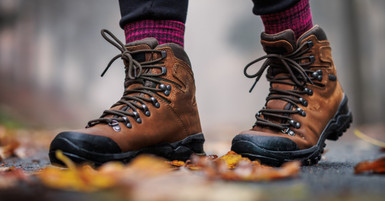
Wet weather can turn a comfortable outdoor outing into a miserable experience if your feet are cold, damp, or blistered. Whether you are hiking wooded trails, commuting through steady rain, or spending the day near the water, you’ll need the right footwear.
Matching specific shoe styles with the right sock materials and thicknesses can help you regulate temperature, improve traction, and reduce moisture buildup. If you are searching for the best shoe and sock combos for wet weather, understanding how different combinations perform for different activities is the best place to start.
Why Socks Matter Just As Much as Shoes
Many people focus entirely on waterproof shoes or boots and overlook the role socks play in wet conditions. A shoe can resist rain from the outside, but the wrong sock can trap sweat inside and leave your feet feeling clammy. Moisture buildup also causes friction, hot spots, and discomfort during longer outings.
When choosing socks, focus on the material. Merino wool is one of the most dependable sock materials for wet weather because it regulates temperature well and continues insulating even when damp. Synthetic blends are another strong option because they dry quickly and help move moisture away from the skin. Cotton, however, tends to absorb water and remain wet for long periods, making it less suitable for rainy conditions.
Sock thickness also matters. Lightweight socks work well during active movement or mild temperatures, while midweight and heavyweight options provide more insulation during cold or stormy weather. The ideal setup balances warmth, breathability, and moisture management.
Trail Hiking in Rainy Conditions
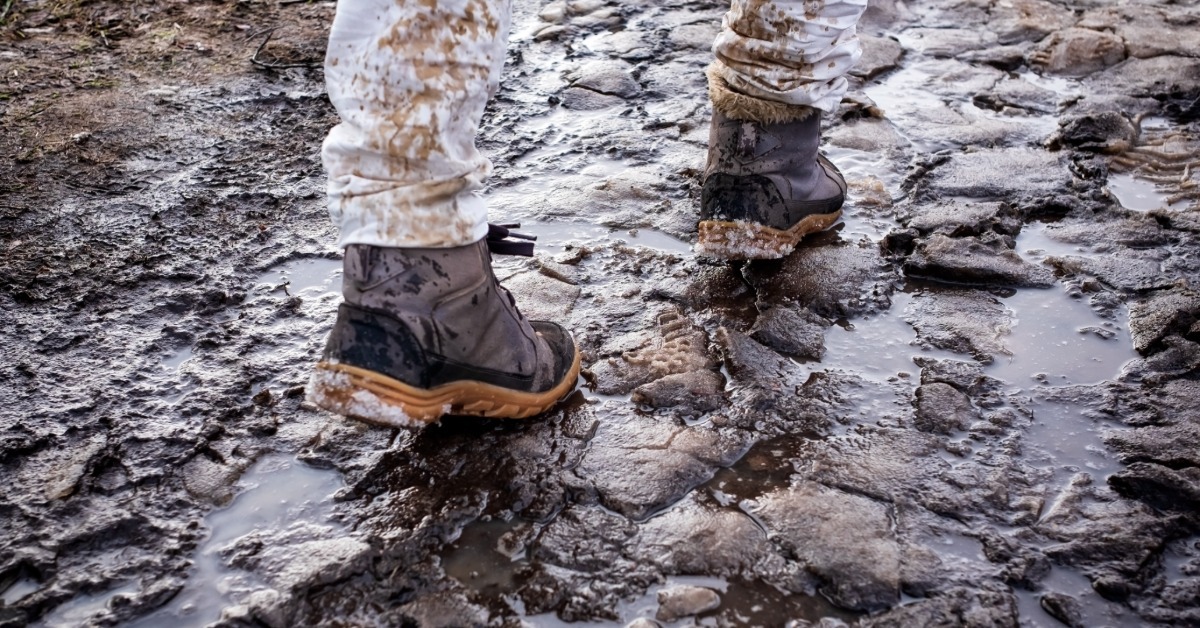
Wet hiking trails demand stability, traction, and dependable moisture control. Waterproof hiking boots paired with midweight merino wool socks are often the most reliable combination for long trail days. The boots help shield feet from puddles, mud, and wet vegetation, while the socks cushion the foot and manage sweat during steep climbs or extended mileage.
For hikers who prefer lighter footwear, waterproof trail runners paired with synthetic performance socks can provide flexibility without sacrificing comfort. Trail runners dry more quickly than heavier boots, making them useful during variable conditions where occasional wetness is unavoidable.
When building a hiking setup, prioritize these features:
- Waterproof or water-resistant uppers for wet terrain
- Moisture-wicking socks that reduce friction and blisters
- Outsoles with strong traction for muddy surfaces
Taller socks paired with mid-height hiking footwear also prevent debris and splashes from reaching the skin during changing trail conditions.
Everyday Rainy-Day Footwear
Not every wet-weather outing involves technical outdoor gear. Daily errands, work commutes, and school drop-offs still benefit from thoughtful shoe and sock pairings. Waterproof sneakers paired with lightweight synthetic socks offer comfort and flexibility without feeling bulky indoors.
Chelsea boots and other slip-resistant casual boots also work well during rainy weather when paired with thin merino wool socks. This setup keeps feet warm without causing you to overheat once you move indoors. Temperature regulation also comes in handy during daily transitions between outdoor rain and heated buildings.
When shopping for men’s and women’s shoes designed for wet pavement and changing conditions, look for tread patterns that provide reliable grip. Smooth soles may look sleek, but they often become slippery on wet sidewalks or parking lots.
Breathability is equally important for everyday use. Fully waterproof shoes can sometimes trap heat and cause sweating, so it’s still worthwhile to pair them with moisture-managing socks on long days.
Cold Weather and Snowy Conditions
Wet weather becomes more challenging when freezing temperatures enter the picture. Snow, slush, and icy sidewalks create conditions where insulation and waterproofing become equally important. Insulated winter boots paired with heavyweight wool socks provide warmth while helping maintain circulation in cold environments.
Some outdoor enthusiasts combine a thin moisture-wicking liner sock beneath a thicker wool sock to reduce friction and improve warmth during extended winter outings.
A strong cold-weather combination should focus on:
- Insulated footwear that blocks snow and slush
- Wool-based socks that retain warmth when damp
- Proper fit that allows circulation without tight pressure
Tight boots can reduce warmth by limiting circulation, even when paired with quality socks. A slightly roomier fit allows insulating air to remain around the foot while still supporting stability on icy surfaces.
Footwear for Boating and Waterside Activities
Wet feet are often unavoidable near marinas, docks, and shorelines, but the right combination can still improve comfort. Water shoes paired with thin synthetic socks work well for kayaking, paddle sports, and other activities where drainage matters more than waterproofing.
For fishing trips or colder boating conditions, deck boots paired with moisture-wicking wool blend socks provide better protection from wind, spray, and puddles on slick surfaces. Deck boots typically offer strong grip patterns that help maintain stability on wet docks and boat decks.
Quick-drying materials are especially important around water. Fast-drying footwear and ventilated socks help maintain comfort between activities.
How To Make Shoes and Socks Last Longer
Proper care helps wet-weather footwear perform consistently over time. Avoid the temptation to dry your shoes by the fire, though! Shoes exposed to repeated moisture should dry naturally in a ventilated area rather than near direct heat sources. Excessive heat can damage waterproof membranes, adhesives, and leather materials.
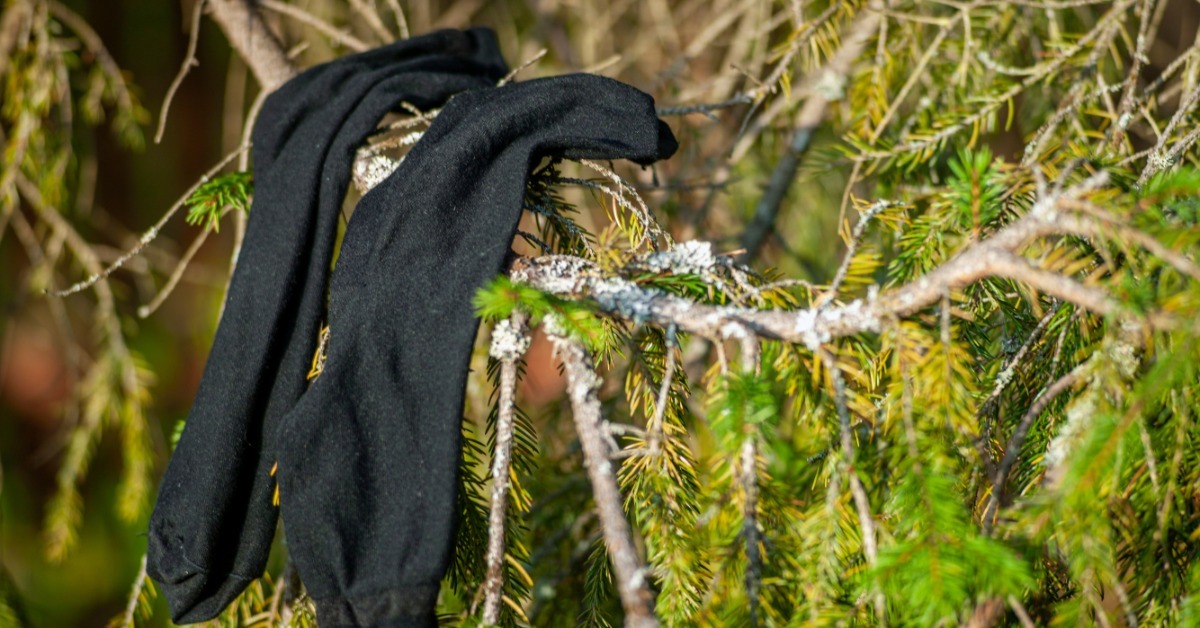
Socks also benefit from proper maintenance. Wool socks generally last longer when washed in cool water and air dried when possible. Performance socks made from synthetic blends retain their moisture-wicking properties better when fabric softeners are avoided.
These simple habits can extend the lifespan of your wet-weather gear:
- Rotate shoes regularly to allow complete drying
- Replace worn socks before cushioning and support break down
- Reapply waterproof treatments when shoes begin absorbing moisture
Pay attention to odor and compression changes as well. Socks that no longer fit snugly or shoes with worn tread patterns may no longer provide the support and traction needed to keep you safe in slippery conditions.
Finding the Right Combination for Your Outdoor Plans
When choosing the best shoe and sock combos for wet weather, focus on the activity, weather intensity, and level of insulation you need to stay outdoors longer.
A commuter walking through city streets needs different footwear than a hiker navigating muddy trails or a paddler spending the afternoon near the water. Matching sock materials with the right shoe construction creates a more comfortable experience regardless of the activity.
For many outdoor enthusiasts, versatility matters most. Waterproof hiking shoes paired with midweight wool socks can transition between trails, travel days, and everyday rainy conditions without sacrificing comfort. Lightweight athletic shoes with synthetic socks are another dependable option for active movement in milder weather.
If you are shopping for men’s and women’s shoes that can handle changing outdoor conditions, it helps to prioritize function alongside style. Comfortable, moisture-managing footwear keeps you outdoors longer and helps reduce distractions caused by cold or wet feet.
At Yeager’s Sporting Goods, we carry outdoor apparel and footwear designed for changing weather across every season. Whether you are preparing for rainy hikes, chilly waterfront mornings, or everyday outdoor adventures, we can help you find gear that fits your activity and comfort needs. Browse our apparel selection to build practical layering systems and dependable footwear setups for your next outing.