
Posted by Admin on Jul 2nd 2026
Essential Supplies Every New Hunter Needs
Starting your first hunting season is exciting, but it can also feel like you are staring at a wall of unfamiliar gear. Between clothing, safety items, storage, and field tools, it is easy to wonder what belongs in your pack and what can wait until later. The good news is that you do not need to buy everything at once. You need a thoughtful setup built around comfort, safety, and the type of hunting you plan to do.
This guide walks through the essential supplies every new hunter needs without making the process more complicated than it has to be. Think of it as a practical starting point for building a kit you can adjust over time. With the right hunting and sporting goods on hand, your first days in the field can feel more organized and less overwhelming.
Start With Safety Before Anything Else
Visibility gear is often one of the first pieces beginners think about. It helps other people see you in the field. Requirements can vary by location and season, so always review current regulations before you go.
A compact first aid kit also belongs in your pack. Make sure it can handle cuts, blisters, and minor field issues.
From there, account for navigation. A phone can be helpful, but batteries die, and service can disappear. A map, compass, GPS unit, or downloaded offline map will help you stay oriented if conditions change.
Choose Clothing That Works With the Weather
Comfort in the field starts with your clothing. Hunting often means sitting still, walking through damp brush, or starting before sunrise. The right layers help you adapt without carrying too much.
Start with a moisture-wicking base layer. Cotton holds moisture and can make you cold once you stop moving. Synthetic fabrics or merino wool are better options for managing sweat and regulating temperature.
Your mid-layer should add warmth without limiting movement. Your outer layer should match the conditions, whether that means water resistance, wind protection, or quiet fabric.
Before heading out, new hunters should focus on clothing that handles the conditions they are most likely to face, such as:
- Moisture-wicking base layers that help control sweat
- Quiet outer layers that reduce unnecessary noise
- Weather-resistant jackets or pants for rain, wind, or brush
- Warm hats, gloves, and socks for cold mornings
Fit is just as important as fabric. Clothing that is too tight can restrict movement and reduce warmth. Clothing that is too loose can snag on branches or interfere with your pack.
Build a Pack Around Practical Field Needs
A hunting pack should carry what you need without becoming a burden. A better approach is to choose dependable basics, then adjust after each trip.
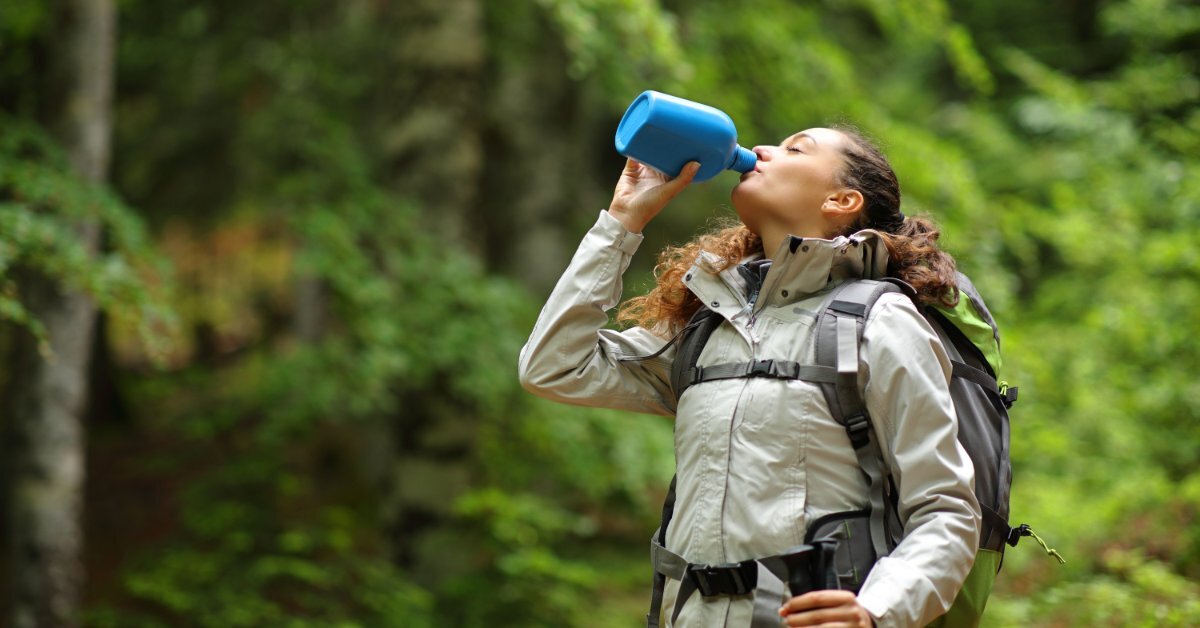
Water should be near the top of your list. Even on cool days, walking with layers and gear can leave you dehydrated. Carry enough for your outing, and choose a bottle or hydration system that is easy to access quietly.
Food matters as well. Pack snacks that are simple, filling, and not too noisy to open. Jerky, trail mix, protein bars, and dried fruit are practical choices for longer sits or hikes.
A small repair setup can also help. A multi-tool, extra cord, electrical tape, and a small flashlight can solve common field problems without taking up much space.
Pick Footwear That Matches the Terrain
Your boots can shape the entire experience. Sore feet, wet socks, or poor traction can turn a promising hunt into a frustrating one. New hunters should choose footwear based on terrain, weather, and how much walking they expect to do.
Waterproof boots are helpful in wet grass, muddy trails, and rainy conditions. Insulated boots are useful for cold sits, while lightweight hunting boots can work well for early-season outings.
Socks are another element to consider, as they can make or break your experience. A good pair of wool or synthetic socks helps manage moisture and reduce blisters, making it possible to keep tracking without fighting pain at every step. Aim to break in your boots before the hunt by wearing them on short walks or scouting trips if you want to fully avoid foot blisters and abrasions.
Bring Tools That Support Responsible Hunting
A dependable knife is one of the most important items in a hunter’s kit. Choose one that feels secure in your hand and is appropriate for your intended use. Keep it sharp, clean, and stored in a sheath when not in use.
Game bags, disposable gloves, and scent-control storage can also help you stay organized after a successful hunt.
It is also smart to practice using your gear before the season. Know where each tool is packed, how it works, and how to access it safely. The field is not the best place to learn that your headlamp batteries are dead.
Think Through Storage, Scent, and Organization
Staying organized helps new hunters feel calmer and more prepared. Simple storage habits can save you a lot of frustration.
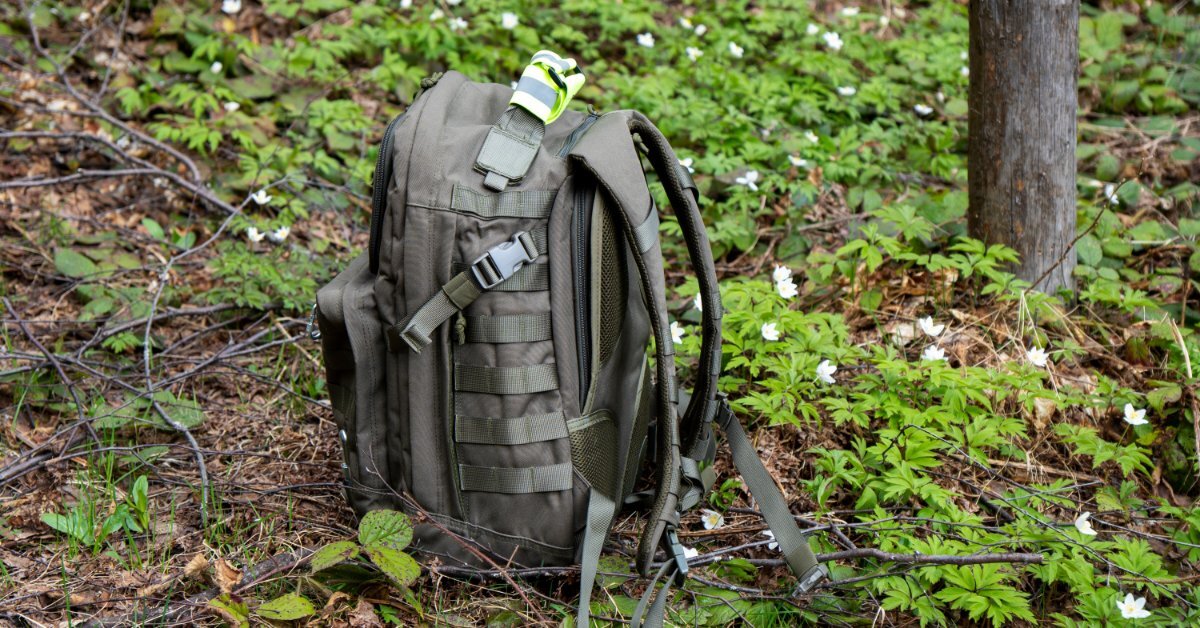
Use small pouches or compartments to group related items. Keep first aid supplies together, food in one place, and tools in another. This makes your pack easier to search without forcing you to pull everything out.
Scent control may also matter depending on the game you are pursuing. Store clothing away from strong household smells, fuel, food odors, or heavy fragrances. Scent-control bags or sealed totes can help keep your gear ready between trips.
After each outing, clean and dry your equipment before putting it away. Damp clothing, dirty boots, and forgotten snacks can create problems before your next hunt. A short reset after every trip keeps your gear in better shape.
Know What Can Wait Until Later
One of the easiest mistakes for beginners is buying too much gear too soon. Some items are useful only for specific hunting styles, locations, or seasons.
Specialized calls, advanced optics, technical packs, and extra accessories may all have a place eventually. However, they should match your goals rather than fill space in your cart. Start with the supplies that keep you safe, comfortable, and prepared.
When deciding what to buy now and what to save for later, ask yourself these questions:
- Will this item improve safety, comfort, or preparedness right away?
- Does it match the kind of hunting I plan to do this season?
- Can I carry it comfortably with the rest of my gear?
- Do I know how to use it before heading into the field?
Keeping your first kit simple helps you learn what actually matters. As your experience grows, your gear can become more specialized.
Get Ready for Your First Season the Smart Way
The best beginner hunting setup is not the biggest or most expensive. It is the one that helps you stay safe, comfortable, organized, and ready to learn. Start with reliable basics, practice with your gear, and build your kit around the conditions you will actually face.
As you prepare, remember that the essential supplies every new hunter needs may look slightly different depending on season, location, and hunting style. That is why practical advice matters as much as the products themselves. At Yeager’s Sporting Goods, we carry hunting and sporting goods selected for real outdoor use, and our team knows what gear suits your plans.
Visit us in-store or browse our hunting gear selection online. We’re here to help you build a dependable setup for your first hunt and the seasons that follow.