
Posted by Admin on Aug 3rd 2026
The Beginner’s Guide to Outdoor Cooking Gear
Cooking meals on a campsite isn’t like cooking at home. From mitigating wind to trying to cook with a weak flame, first-time campers don’t lack kitchen skills. Campers simply face the confusion of unfamiliar heat sources and few kitchen conveniences.
This beginner’s guide to outdoor cooking gear explains how each piece supports a functional campsite kitchen. With an understanding of all the supplies you need, you’ll be able to cook delicious meals swiftly with a scenic view.
Choose a Stove System
The stove shapes nearly every other gear choice. Car campers carry broad cooking surfaces, while backpackers must limit weight and bulk.
Tabletop Propane Stoves
Tabletop models provide one or two broad burners with adjustable controls. Their stable frames support frying pans and medium pots during family meals. The large body is a little bulky, but it offers controls and cooking behavior similar to a standard home stovetop.
Compact Canister Stoves
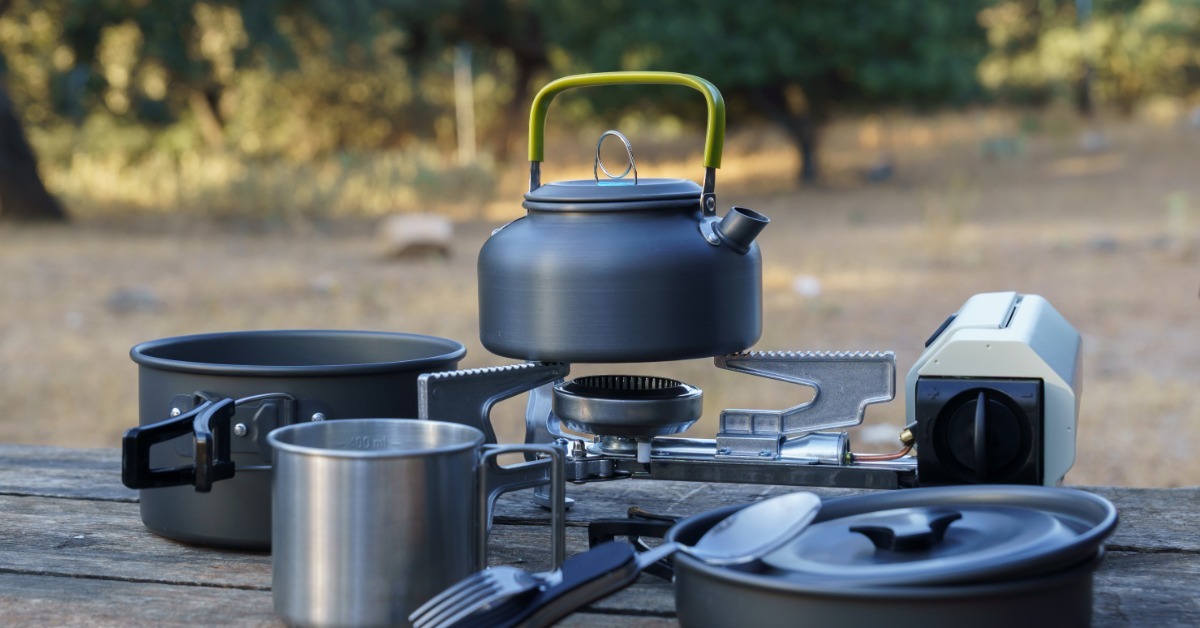
A compact stove attaches to a pressurized fuel canister or connects through a short hose. Its narrow burner concentrates heat beneath a lightweight pot. This system suits simple meals built around boiled water and dehydrated ingredients.
Evaluate Burner Performance
Beyond choosing a stove style, consider how the burner performs when cooking food. Manufacturers measure heat output in British thermal units or BTUs. A high rating indicates great heat potential under ideal conditions, though wind and cookware size affect how efficiently the stove uses energy.
Equally important is how well the stove controls the heat. A burner that adjusts smoothly lets you shift from a rapid boil to a gentle simmer without relighting or tweaking the flame repeatedly. For beginners especially, consistent and responsive control makes cooking simple and predictable, proving more valuable than choosing the stove with the highest BTU rating.
Pay Attention to Fuel Compatibility
Once you’ve chosen a stove style, the next step is to make sure you have the appropriate fuel on hand. Not all fuel systems are interchangeable, so it’s important to check the stove’s connection type and pressure requirements.
For example, a standard propane bottle won’t fit a threaded backpacking stove. Even canisters that look similar may use different valves or fuel blends. To avoid issues, always refer to the stove manual for the approved fuel type and proper attachment method.
Select Practical Cookware
The materials used to cook each meal will affect temperature control. The following common materials perform well in a camp kitchen.
- Aluminum heats quickly and distributes warmth efficiently across the pan, making it ideal for small burners with limited fuel. Stir food regularly to prevent hot spots from forming over concentrated flames.
- Stainless steel resists damage from scraping and rough packing, offering durability for repeated use. It heats more slowly than aluminum, so look for pans with layered bottoms to improve heat distribution.
- Cast iron retains heat exceptionally well and provides a steady cooking surface for searing or slow meals. Its heavy weight makes it best suited for camping trips that don’t require constant travel via backpack.
Pack Useful Kitchen Tools
The next step is to assemble a small tool kit for efficient, safe cooking.
- Spatulas and tongs are versatile tools that will support cooking tasks ranging from flipping food to serving meals.
- A sharp knife and a compact cutting board allow for proper food preparation while taking up minimal space in your gear.
- Potholders will protect your hands from burns when handling hot cookware.
- A long lighter is a convenient tool that ignites a flame while keeping your fingers at a safe distance away from the stove.
- Nesting cups or bowls conserve space by fitting neatly inside large pots and supporting organized packing.
While it may be tempting to bring a wide range of kitchen tools, it’s best to stick to just the essentials. Packing only what you truly need reduces the weight of each bag and simplifies the setup.
Establish a Stable Cooking Area
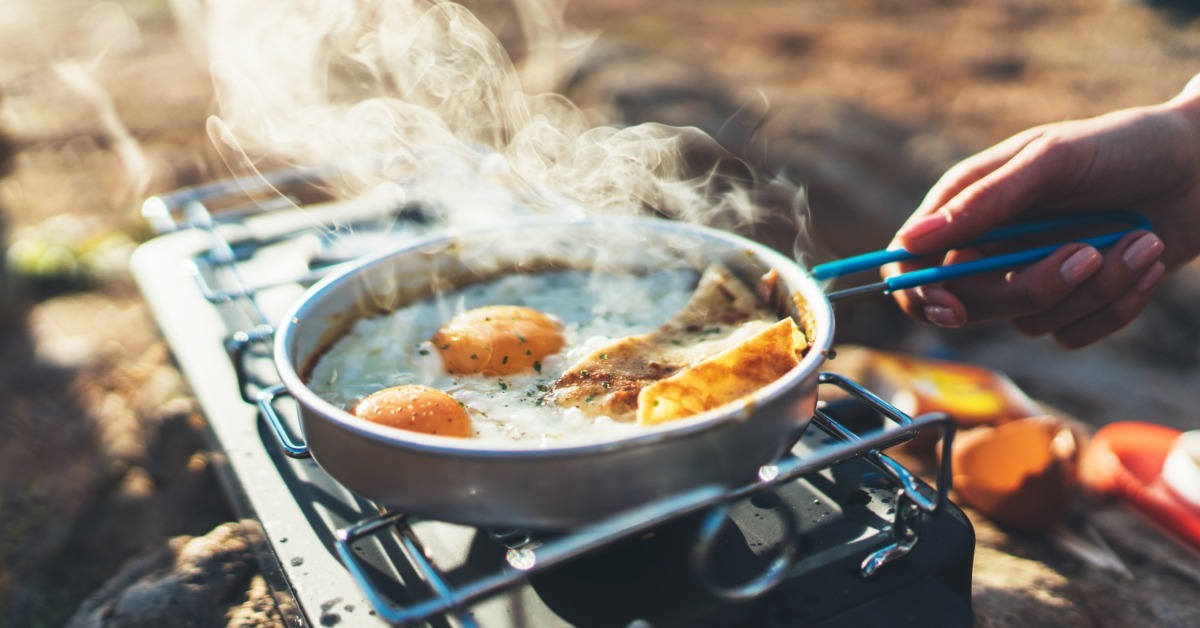
In the kitchen at home, there’s a sturdy counter to set every object on. At a campsite, you have to put together a stable surface.
Pack a stable, nonflammable surface made from materials that can safely handle heat. Metal, stone, and treated wood will all provide a reliable base for the stove and reduce the risk of heat damage or fire hazards. Avoid placing the stove directly on plastic materials, dry grass, and other flammable surfaces.
If you don’t have space in your bag for a large table or cooking surface, bring a portable camp table or a stove stand designed with heat-resistant materials. Non-slip mats or stove bases made from rubber or silicone can also help keep your setup steady, especially on smooth or slightly uneven ground.
Food Storage Supplies
Animals and bugs will dig into the food and trash if you don’t properly protect your belongings. Food left sitting out at a campsite can quickly spoil, attract wildlife, and create unsafe conditions for you and the environment.
Use a Cooler To Protect Perishables
The first item you need to store food safely is a cooler. It acts as a portable refrigerator, helping prevent perishable items from spoiling. To maintain safe temperatures, start by packing all ingredients already chilled, since a cooler retains cold rather than creates it. Using large ice blocks or frozen water bottles rather than small ice packs to extend cooling time.
Secure Trash With Sealed Bags
Trash is just as attractive to animals as food. Leaving garbage exposed invites wildlife into the campsite and increases the risk of dangerous encounters.
Always store trash in sealed, durable bags or containers, and keep it secured when not in use. If available, use designated bear-proof bins or hang trash away from your sleeping area.
Store Non-Refrigerated Food in Durable Containers
Even food that doesn’t require refrigeration needs protection. Dry goods, snacks, and packaged items may attract insects and animals if left out in the open. Store these items in airtight containers or sealed bins, so they stay fresh and out of reach from wildlife.
Prepare for Cleaning the Campsite Kitchen
There isn’t a dishwasher to toss all of the cookware and utensils into. You’ll need to pack a few cleaning supplies to ensure the campsite looks pristine after making a meal.
Bring a bottle of dish soap that will remove grease and sanitize the cookware. Pair it with scrub brushes and sponges to tackle stuck-on food and residue. Then, make sure you have a few towels or cloths for drying dishes and cleaning up various surfaces. Together, these supplies create a cleanup station that’s always ready for the next meal.
Create a Thorough Camping Trip Packing List
The best camp kitchen isn’t the largest collection of gadgets. It combines a suitable stove with quality cookware and a stable cooking surface.
Use this beginner’s guide to outdoor cooking gear as a checklist before the first trip. Yeager’s is a sporting goods store that carries camping stoves, cookware, utensils, drinkware, and more. Browse our selection of high-quality supplies to find every item you need to make an incredible meal away from home.