

Posted by Admin on Apr 22nd 2026
The Ultimate Checklist for Your Next Hike
Planning a hike is always fun, whether you’re heading out for a quick local trail or a full-day backcountry adventure. That said, having the right gear and preparation can mean the difference between a smooth, memorable trip and a stressful one. That’s why putting together the ultimate checklist for your next hike is essential before you hit the trail.
At its core, hiking is about enjoying the outdoors, but it also requires thoughtful preparation. From safety essentials to comfort items, every piece of gear serves a purpose. With guidance from experienced outdoor enthusiasts like the team at Yeager’s Sporting Goods & Marina Inc., hikers can feel confident knowing they’re prepared for changing conditions and unexpected challenges.
Start With the Essentials Every Hiker Needs
Before adding extra gear, focus on the must-have items that every hike requires. These basics help keep you safe, hydrated, and ready for the journey ahead.
When building your pack, start with the core essentials:
- Navigation tools like a map, compass, and GPS device
- Adequate water supply or a hydration system
- Weather-appropriate clothing layers
- First aid kit with basic medical supplies
- Headlamp or flashlight with extra batteries
- High-energy snacks or trail food
These items form the foundation of any reliable hiking setup. Even on shorter or more popular trails, it’s always better to be overprepared than underprepared. Weather can change quickly, and accidents can always happen; having these essentials ensures you can adapt.
Dress Smart for Comfort and Changing Conditions
Clothing plays a bigger role in your hiking experience than many people expect. The right layers keep you comfortable, regulate body temperature, and protect against the elements.
Start with moisture-wicking base layers that pull sweat away from your skin. Add an insulating mid-layer for warmth, and finish with a waterproof or wind-resistant outer shell. This layering system allows you to adjust throughout the hike as conditions change.
Footwear is just as important. Invest in sturdy hiking boots or trail shoes that offer proper support and traction. Pair them with quality socks designed to prevent blisters and keep your feet dry.
Shopping at a trusted sporting goods store gives you access to knowledgeable staff who understand how different fabrics and fits perform in real outdoor conditions. Letting that kind of expertise inform your attire decisions can make a noticeable difference on the trail.
Pack the Right Gear for Safety and Convenience
Beyond the basics, there are several items that can enhance both safety and comfort during your hike. These additions may not always seem necessary at first, but they often prove invaluable when conditions shift.
Consider including the following in your pack:
- Multi-tool or knife for quick fixes and emergencies
- Sunscreen and sunglasses for UV protection
- Insect repellent for wooded or damp areas
- Lightweight emergency shelter or bivy
- Trekking poles for stability on uneven terrain
Each of these items serves a specific purpose, helping you stay prepared without overloading your pack. The goal is to strike a balance between being equipped and staying mobile. Take what you know you need to be safe.
Don’t Forget Food and Hydration Planning
Fueling your body properly is key to maintaining energy throughout your hike. Even a moderate trail can become exhausting without the right nutrition and hydration.
Bring more water than you think you’ll need, especially in warmer weather. Hydration packs or reusable water bottles make it easy to sip consistently as you hike. For longer trips, consider a portable water filter or purification tablets.
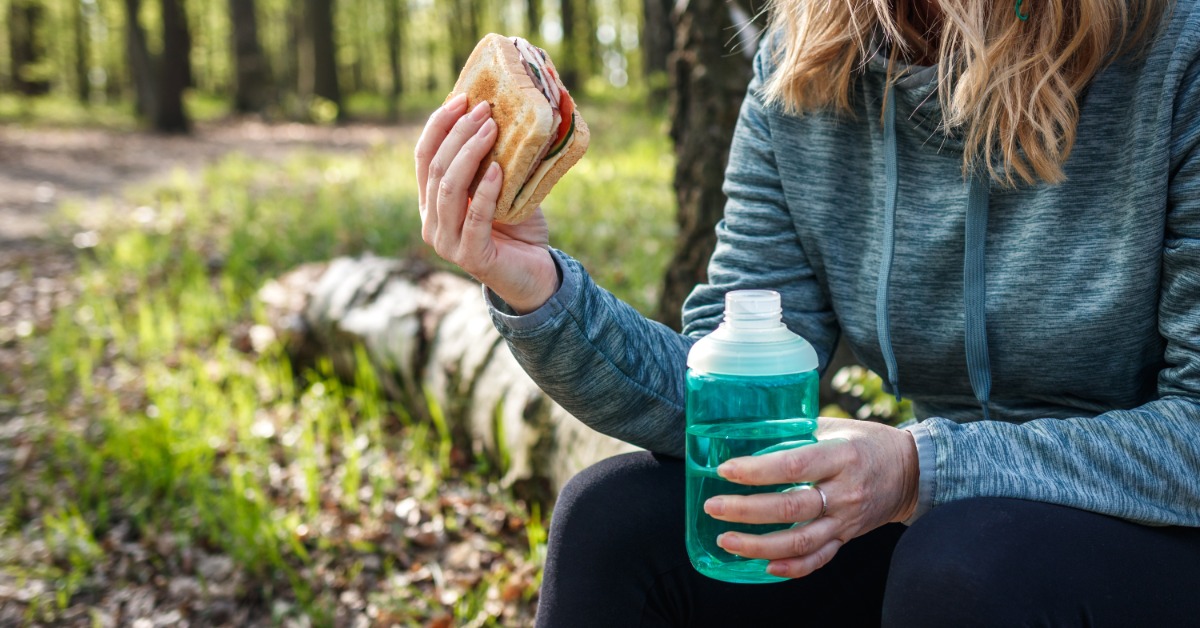
When it comes to food, focus on lightweight, high-energy options. Trail mix, energy bars, jerky, and dried fruit are all excellent choices because they provide quick energy without taking up much space in your pack. Meanwhile, small meals such as a sandwich or freeze-dried meals are also good for hikes that might involve camping out.
Planning ahead ensures you won’t run out of fuel midway through your hike, which can impact both your performance and safety.
Prepare for Weather and Trail Conditions
One of the most important parts of hiking preparation is checking the weather and understanding the trail conditions. Even well-marked paths can become challenging due to rain, snow, or unexpected obstacles.
Before heading out, review the forecast and plan accordingly. Pack extra layers if temperatures may drop, and bring rain gear if there’s a chance of precipitation. It’s also smart to research the trail itself, including elevation gain, terrain type, and any potential hazards.
Experienced outdoor retailers often provide guidance on local trails and conditions. That local knowledge helps hikers make informed decisions and avoid common pitfalls.
Navigation and Communication Matter More Than You Think
Getting lost is one of the most common concerns for hikers, especially in unfamiliar areas. While many trails are well-marked, it’s still important to have reliable navigation tools.
A physical map and compass should always be part of your gear, even if you’re using a smartphone app. Technology can fail due to dead batteries or lack of signal, so having a backup is critical.
Communication is equally important. Let someone know your hiking plans, including your route and expected return time.
Tailor Your Checklist to the Type of Hike
Not all hikes are the same, and your checklist should reflect the specific demands of your trip. A short, family-friendly trail requires less gear than a full-day or overnight adventure.
For shorter hikes, focus on essentials and travel light. For longer or more remote hikes, expand your checklist to include additional safety gear, extra food, and backup supplies.
Think about factors like distance, elevation, weather, and group size when finalizing your checklist. Customizing your gear ensures you’re prepared without carrying unnecessary weight.
Make Comfort a Priority Without Overpacking
While safety should always come first, comfort plays a big role in how enjoyable your hike feels. Small additions can make a big difference without significantly increasing your pack weight.
Items like a lightweight sit pad, extra socks, or a cooling towel can improve your overall experience. The key is to choose items that add value without cluttering your pack.
A well-organized backpack also improves comfort. Keep frequently used items within easy reach and distribute weight evenly to reduce strain on your shoulders and back.
Why Shopping Local Makes a Difference
When preparing for a hike, where you shop matters. A dedicated sporting goods store offers more than just products—it provides access to real expertise and personalized recommendations.
At Yeager’s Sporting Goods, the staff actively participates in outdoor activities, from hiking to fishing and beyond. That hands-on experience translates into practical advice that helps customers choose the right gear for their needs.
Instead of guessing which products will work best, you can rely on guidance from people who truly understand the outdoors. This approach not only improves your preparation but also builds confidence before you head out on the trail.
Build Your Hike-Ready Checklist
Every great hike starts with thoughtful preparation. By focusing on essentials, dressing appropriately, and tailoring your gear to the specific trail, you set yourself up for a safer and more enjoyable experience.
Using the ultimate checklist for your next hike ensures you don’t overlook important details. It helps you stay organized, prepared, and ready to adapt to whatever the outdoors throws your way.
If you’re gearing up for your next adventure, visit Yeager’s Sporting Goods to explore quality equipment and get expert advice. Whether you’re a beginner or a seasoned hiker, having the right support makes every trip more rewarding.